









This route feels like following water as it shifts from broad estuary to tight river and open sea. You start at Exmouth and Topsham on the Exe, where mudflats, marshes and bobbing boats give everything a calm, bird-filled rhythm. Then you edge out to Dawlish Warren, a finger of sand and dunes between river and Channel, before slipping into the more classic Riviera mood at Meadfoot and Paignton promenades, beach huts, shallow bays and that easy, slightly nostalgic seaside hum.
From there, the coast grows a little wilder and more dramatic. Berry Head throws you out onto high cliffs with fort walls and big views, Dartmouth folds you into a deep, wooded estuary alive with ferries and yachts, and Start Bay gives you that long, shingle-and-sky feeling with the sea on one side and a freshwater ley on the other. Salcombe and Bantham pull you back into the world of creeks, surf and sandbars, where tides and sailing dinghies set the pace far more than clocks. By the time you wind upriver to Totnes, with its castle, cobbles and quietly bohemian energy, it feels like you’ve traced a full arc – from open estuary mouth, along the edge of the sea, and back to a river town that gathers all those threads together.
Exmouth is where the river finally lets go and meets the sea. You arrive along broad, tree-lined streets and then suddenly there’s the Exe Estuary opening out in front of you, sails and masts pricking the skyline, mudflats and shifting channels glinting in the light. The seafront itself is a long, generous sweep of sand backed by a promenade families with buckets and spades, kites tugging at strings, joggers tracing the same daily route along the front.
Walk towards the river mouth and you can feel the character change. The water turns more restless, the view widens towards Dawlish and the red cliffs of the Jurassic Coast, and the cry of waders mixes with the chatter from cafés and kiosks. You might take a boat trip up the estuary, watching flocks of birds lift from the marshes, or simply sit on a low wall with chips, letting the tide and the day drift past. Exmouth feels like a proper gateway – both to the coast ahead and the calm, intricate waterways behind you.
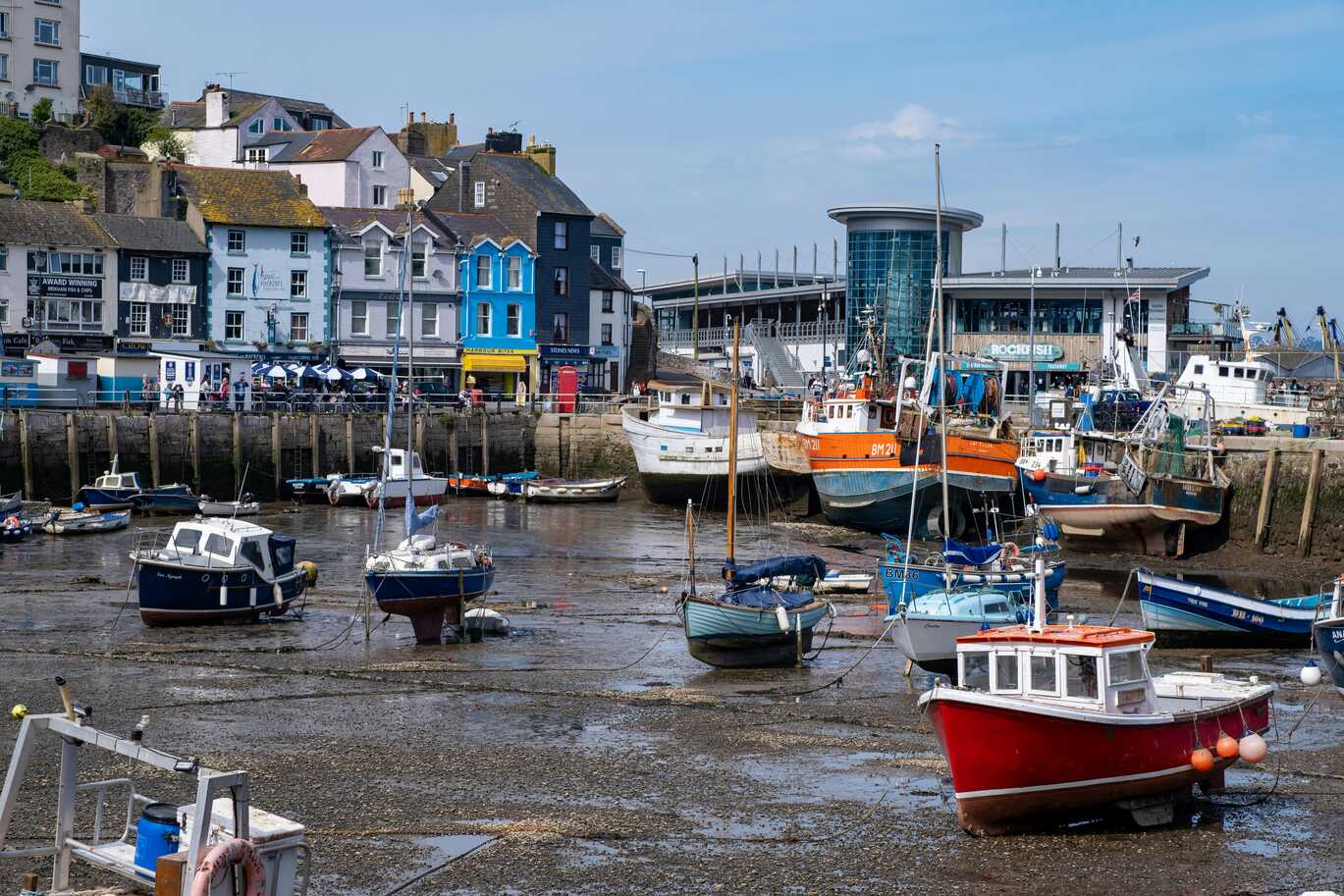
Topsham feels like a riverside town that’s quietly tucked itself away from the main flow of things. You drop down towards the Exe and find narrow streets lined with a mix of old merchants’ houses, Dutch-gabled facades, pastel cottages and hidden courtyards. The shoreline is a patchwork of small quays, boatyards and wooden steps leading straight into the water, with views across broad, shimmering marshes full of birdlife.
You wander the Strand and can almost see the ghosts of its days as a busy port, when ships from all over would have been loading and unloading along this stretch. Now it’s more about antique shops, good pubs and people pausing on benches to watch the river change colour with the sky. At low tide, boats settle on the mud like sleeping animals; at high tide, the water laps right up under old walls and garden steps. It’s a gentle, slightly eccentric stop on your route somewhere that feels lived-in, layered and perfectly sized for a slow stroll.
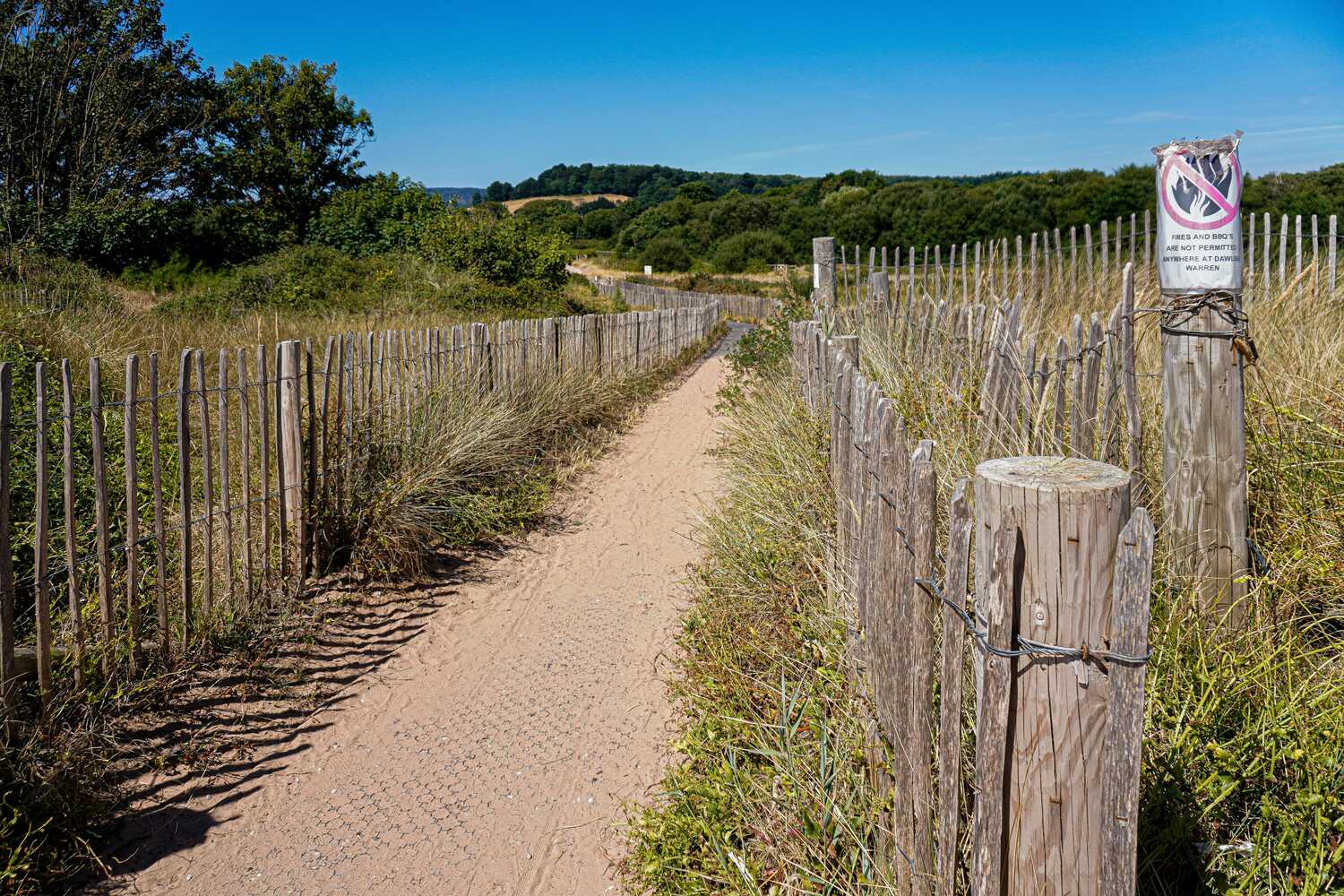
Dawlish Warren stretches out as a sandy spit between river and open sea, and it has that distinctly holiday feel the moment you arrive. Arcades, ice-cream kiosks and cafés cluster near the entrance, but a short walk over the dunes takes you into much quieter territory. The beach runs for what feels like miles, a broad sweep of sand and shingle backed by marram grass that hisses in the wind, with the Exe Estuary curving away behind you.
This is also a nature reserve, and if you wander out towards the point you’ll find hides and boardwalks tucked among the dunes and saltmarsh, giving close-up views of wading birds picking through the shallows. Trains flash by on the line that hugs the coast, a familiar West Country sight, while ships and sailing boats work their way in and out of the estuary. It’s a place with two moods: classic bucket-and-spade liveliness near the funfair, and big-sky, wind-in-your-face wildness once you’ve walked a little further. Both suit a road trip day perfectly.
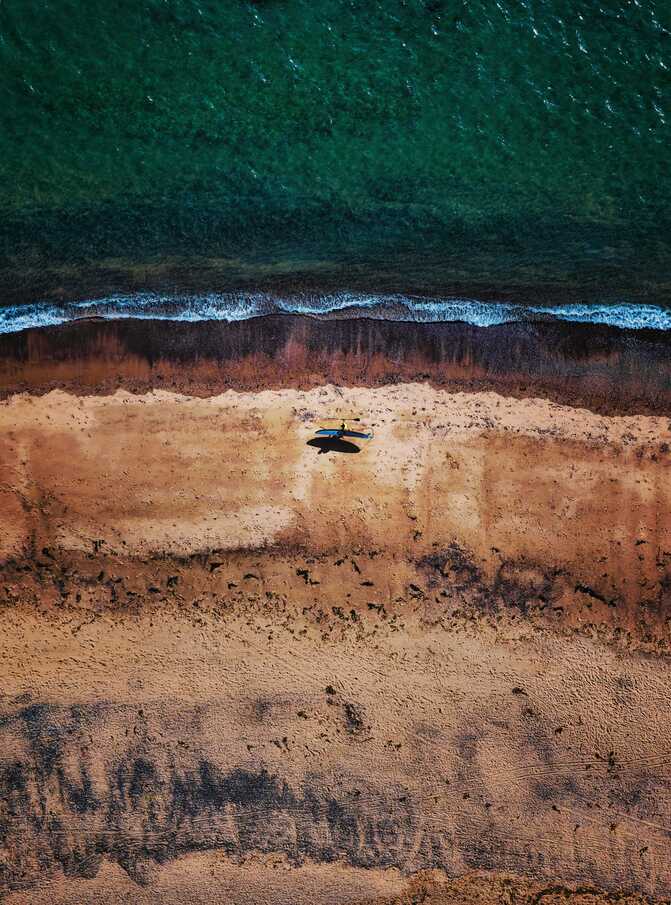
Meadfoot Beach feels like Torquay turned slightly away from the bustle to gaze out to sea. You follow a winding road down from the hilltops and suddenly you’re alongside a narrow crescent of shingle and sand, backed by low cliffs and elegant old villas peering over the trees. The water here is often calm and clear, shading from pale green to deep blue, with rocky outcrops punctuating the bay and the odd paddleboarder or kayak sliding quietly across the surface.
A simple promenade traces the shoreline, dotted with beach huts, benches and the occasional café. Across the water, you can see the outline of distant headlands and, on clear days, the shapes of ships further out in the English Channel. It has something of a Riviera air, but softer, gentler, less showy than the main Torquay seafront. Stop here to dip your toes, scramble on rocks, or simply sit with a takeaway drink, listening to the small, rhythmic wash of waves on the pebbles and feeling the town hum politely in the background rather than all around you.
Paignton Beach is unapologetically classic seaside. You arrive to a long, level stretch of sand backed by promenade, pier and a scatter of colourful beach huts, with the red cliffs of the bay bookending the view. The air carries the unmistakable mix of doughnuts, chips, candyfloss and salt, while the soundscape is all gulls, laughter and the gentle rattle of rides from the funfair.
Walk along the front and you’ll pass the pier reaching out into the water, the steam railway puffing off inland, and families spreading out their patch for the day. The sea here is usually friendly and shallow near the shore, the sort of place where people paddle without thinking too hard about it. Paignton wears its holiday heart on its sleeve – bright, busy, slightly nostalgic and that’s part of the charm. On a road trip full of hidden coves and quiet headlands, this stop gives you a simple, sunny hit of fish-and-chips-on-the-wall, sand-between-the-toes energy.
Berry Head feels like a proper headland, jutting out into the sea with that mix of wildness and history you only get where cliffs and fortifications meet. You drive up through Brixham and out to the high ground, then walk onto a plateau where old Napoleonic-era fort walls still trace the edges, now shared with wildflowers, grazing animals and far-reaching views. The drops on either side are sheer and dramatic, the sea far below flecked with white where it hits the rocks.
Follow the paths and you’ll come to the lighthouse, compact and sturdy, watching over one of the busiest stretches of water in the Channel. Look down from the cliffs and you might spot seals or even dolphins in the right season, while seabirds wheel and nest on inaccessible ledges. The wind is often brisk enough to make you brace yourself, the air full of salt and the faint smell of sun-warmed grass. It’s a place that makes you feel pleasantly small, with the sweep of Torbay on one side and open water on the other.
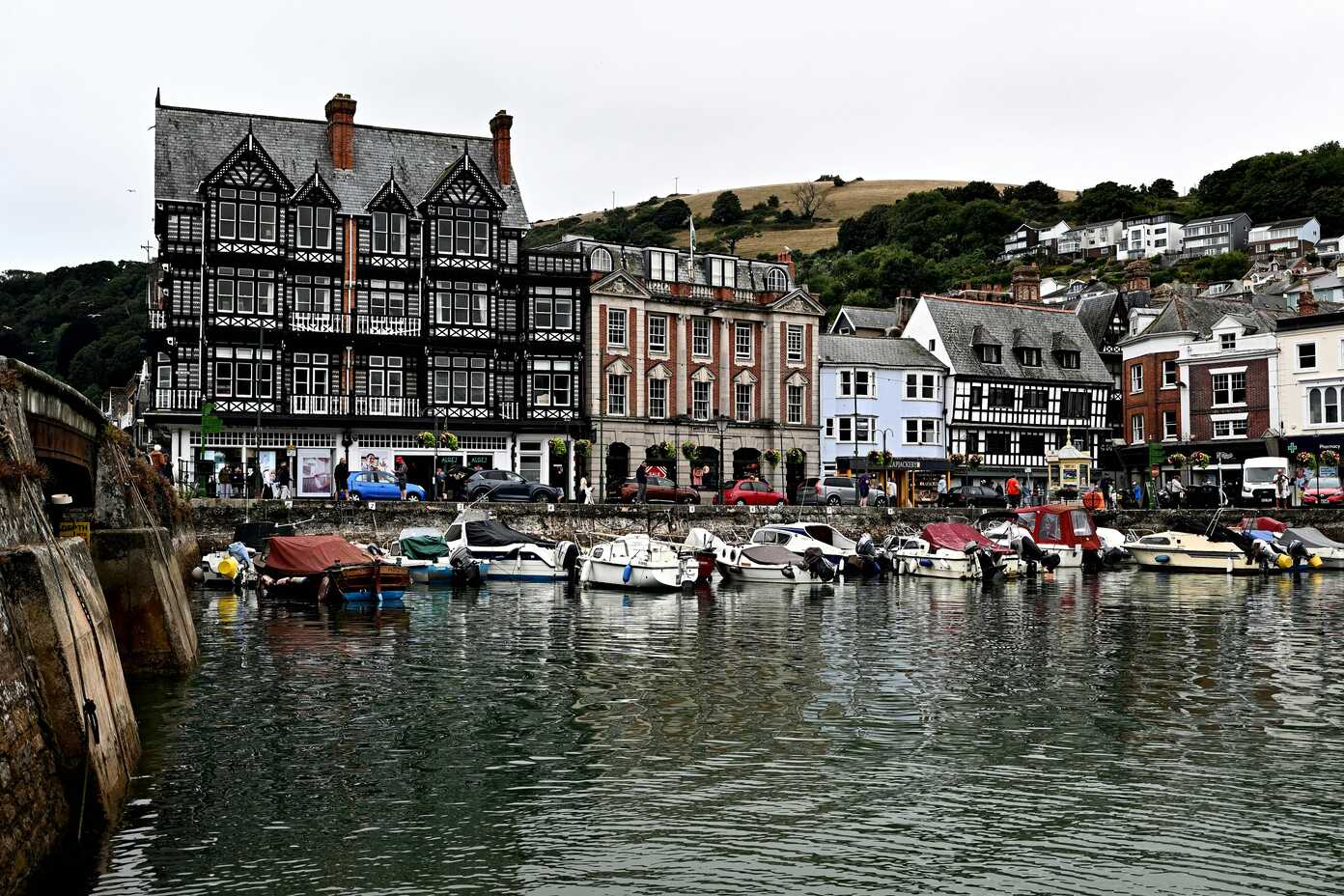
Dartmouth sits folded into the mouth of the Dart like it’s part of the river itself. You come in from above and look down on a view that feels almost theatrical: dark-wood ferries shuttling back and forth, pastel and slate-coloured houses climbing the hillsides, and the river winding away inland between green, tree-lined slopes. Down on the quay, the air is thick with the sound of footsteps on old cobbles, engine notes from boats and the faint chime of halyards against masts.
Wander the narrow streets and you’ll find old inns, independent shops and glimpses of the water at the end of almost every lane. Across the river, Kingswear mirrors Dartmouth’s rooftops, linked by ferries that form part of the town’s everyday pulse. Above the mouth of the estuary, the twin castles of Dartmouth and Kingswear guard the entrance, a reminder of how strategically important this harbour once was. It’s a stop that feels both lively and snug, a natural place to linger over a drink and watch the river’s constant coming and going.
Start Bay feels long and elemental. The road runs right behind the shingle for much of the way, giving you constant views across a wide, curving sweep of grey pebbles and shifting sea. At Slapton Sands, waves fold up the steep beach with a particular hiss and rumble as the stones roll back under each retreating breaker. Behind you lies Slapton Ley, a freshwater lake fringed with reeds and woodland, so you’re walking between two very different kinds of water.
This stretch of coast carries heavy history the relics of wartime training, the stories of Exercise Tiger but day to day it’s mostly about big skies, strong light and long walks. You might park up and follow the shingle until your legs feel it, watch storms build over the horizon, or simply sit on the beach listening to that constant stone-on-stone undertow. Start Bay feels exposed in the best way, a reminder of how directly this coastline faces the Channel and whatever weather comes with it.
Salcombe gathers around a drowned valley of pale water, all creeks, coves and wooded slopes. You drop into town on narrow, twisting roads and suddenly find yourself on streets lined with pastel and whitewashed houses, boutiques and cafés, all angled towards the estuary like they’re trying to claim a piece of the view. The harbour is busy with yachts, dinghies and ferries, their wakes stitching patterns on the surface as the tide pushes in and out.
You can wander the waterfront, watching kids crabbing from the quay and ferries shuttling across to sandy spits and beaches on the far side. Climb a little higher and the estuary unfolds below in a series of curves and channels, opening out to the sea between two protective headlands. There’s an easy, holiday energy here sailing gear slung over shoulders, wetsuits draped over balconies, people drifting between pubs and ice-cream shops. It’s one of those places where the line between land and water feels particularly blurred, and all the better for it.
Bantham Beach feels like a place made for tides and long afternoons. You arrive down a narrow lane and are suddenly confronted with a broad expanse of sand at the mouth of the River Avon, Burgh Island sitting squarely across the water like a small, self-contained world. At low tide, the beach seems to go on and on, its wet surface reflecting sky and footsteps, with shallow channels curling and rearranging themselves each day.
Surfers pick up the Atlantic swell that swings into the bay, while families settle into sandy hollows in the dunes. The river itself winds out in a shining silver ribbon, and if you climb the surrounding hills you get a panoramic view of estuary, island and open sea all in one sweep. Bantham has just enough in the way of facilities to keep you comfortable, but it still feels like a place ruled more by tide tables and wave forecasts than strict timetables. It’s an easy spot to lose time, drifting between walking, watching and just sitting in the soft roar of the surf.
Totnes draws you back inland with a very different sort of energy. You follow the Dart upriver and find a town perched on its slopes, cobbled main street climbing steadily from the water up towards a ruined Norman castle. Independent shops, cafés and market stalls line the route, many with a distinctly creative, alternative flavour hand-painted signs, organic everything, buskers at corners.
Down by the river, the Dart feels narrower and more intimate than at Dartmouth, its banks fringed with trees and old stone walls, rowing boats and small craft nudging the quays. There’s a sense of layers here: medieval streets, Tudor fronts, Victorian bridges and modern murals all sharing the same compact space. Totnes has long had a reputation as a bit of a free spirit, and you catch that in snatches of conversation and community posters tucked into windows. As an end point on this route, it brings you back from open sea to river valley, swapping salt spray for green water and a town that looks both inward and outward at once.
This is a tight coastal-and-moor loop starting on the Exe at Exmouth, running the English Riviera through Dawlish Warren, Torquay, Paignton, Berry Head, Dartmouth, Start Bay, Salcombe and Bantham, then cutting inland via Totnes and Dartmoor villages like Two Bridges, Widecombe and Bovey Tracey before dropping back to Exeter. It’s ideal if you want a mix of beaches, harbour towns and a real hit of Dartmoor without massive daily mileage.
The Exe Estuary Trail between Exmouth and Topsham is a good warm-up ride or walk. Around Torquay and Paignton you’ve got classic resort stuff – piers, beaches, family attractions – but Berry Head and the Dart estuary near Dartmouth feel wilder if you like walking. Start Bay and Slapton Sands are about long shingle beaches and big coast-path sections, while Salcombe and Bantham focus on coves, paddleboarding, surfing and the Burgh Island causeway walk. Inland, Totnes has more independent shops and a slightly alternative vibe, and Dartmoor gives you short tor walks, riverside valleys near Two Bridges and big night skies if you stay high on the moor.
Rockfish in Exmouth (and its siblings around the bay) are reliable for good fish and chips. The Crab Shed in Salcombe leans harder into shellfish and harbour views. In Totnes, places like The Curator Kitchen cover the coffee/brunch/wine bar axis. For pubs, The Marine Tavern in Dawlish handles early-route pints, the Dartmouth Arms at Bayards Cove puts you right on the river, and The Pilchard Inn on Burgh Island is a fun target if you time the tide.
For camping, the rhythm is almost built-in: sites near Exmouth for night one, Dawlish Warren or a Torbay park for the early Riviera, then Galmpton Touring Park or Woodlands Grove as you move towards Dartmouth. Slapton Sands C&CC and Higher Rew above Salcombe keep you close to the water, with Karrageen covering the Bantham/Hope Cove stretch. River Dart Country Park then bridges you onto Dartmoor itself. For hotels, the Imperial (Exmouth/Torquay) and Salcombe Harbour Hotel cover coastal “treat nights”, with Two Bridges Hotel giving you a proper moorland finish.
TopStops is built to be used like a shared guidebook, not a strict itinerary.
Browse the routes to see how others have travelled an area, check the map for regularly recommended stops, and get a feel for the journey with photos, highlights, and quick info on each place. When you’re ready, follow the route yourself or adapt it to your own trip.
If you discover a spot we’ve missed, submit it. The best community suggestions get added to the map, so every route slowly improves with real travellers’ input.
Do you know somewhere we should feature in our route? Message us and we’ll get it added.