









This route threads its way along the gentler end of the Jurassic Coast before turning inland through some of southern England’s most layered towns and landscapes. You begin at Sidmouth and Lyme Regis, where red cliffs, shingle beaches and fossil rich shores make the age of the rocks hard to ignore. Portland adds a sharper note, all quarries, lighthouses and exposed headlands, while Maiden Castle lifts you up onto an Iron Age stronghold that makes the fields around Dorchester feel suddenly ancient.
From there, the journey softens. Dorchester, Cerne Abbas and Blandford Forum show you different versions of rural life, from Roman roots and chalk giants to carefully planned Georgian streets. Salisbury brings its wide close and soaring spire into view, and Winchester rounds things off with clear chalk streams and a cathedral that has watched centuries unfold. It is a route of moderate distances and deep time, where you move from sea cliffs to hillfort banks to cathedral closes in a handful of drives, and where almost every stop offers somewhere you will want to wander on foot.
Sidmouth feels like a seaside town that has grown comfortable in its own skin. You arrive to a handsome curve of Regency terraces facing a wide shingle beach, framed by towering red cliffs that glow deep orange in low light. Walk down to the seafront and the crunch of pebbles under your shoes mixes with the soft hush of waves and the faint clink of china from café terraces behind you.
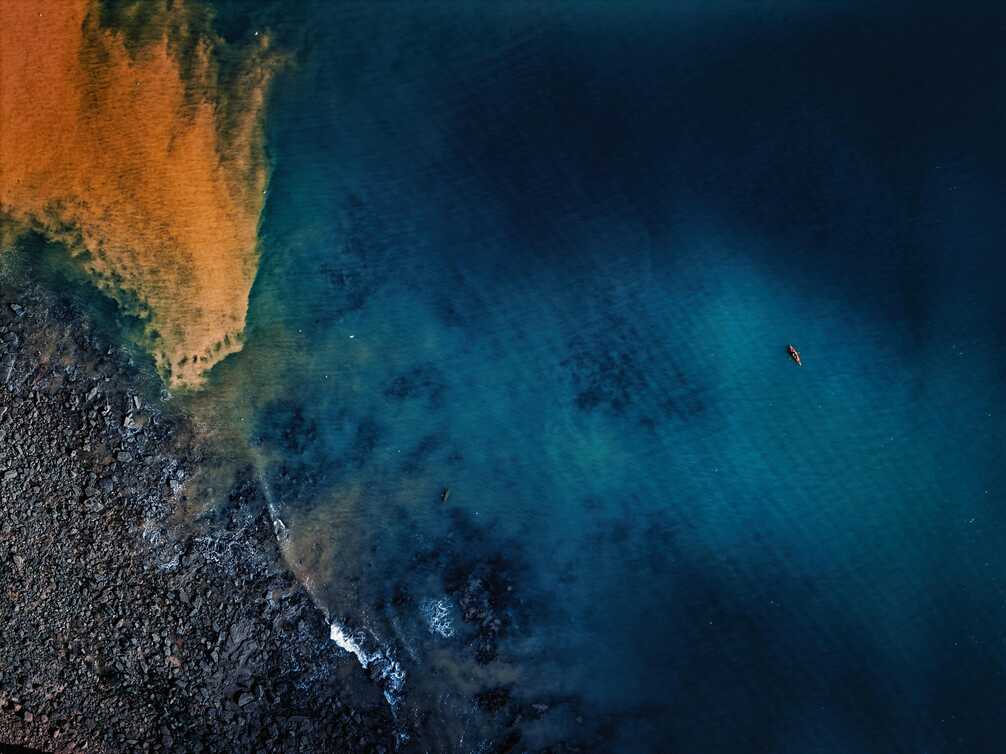
Stroll along the promenade and you can watch the cliffs shift in tone as the light moves, all rust and ochre against the grey-blue of the Channel. The South West Coast Path climbs away at either end, rewarding even a short pull up the hill with big views along the Jurassic Coast. There is a gentleness to Sidmouth, from the well-kept gardens to the calm pace of people wandering the front. It is a relaxed starting point for a route that will gradually show you how ancient and dramatic this coastline really is.
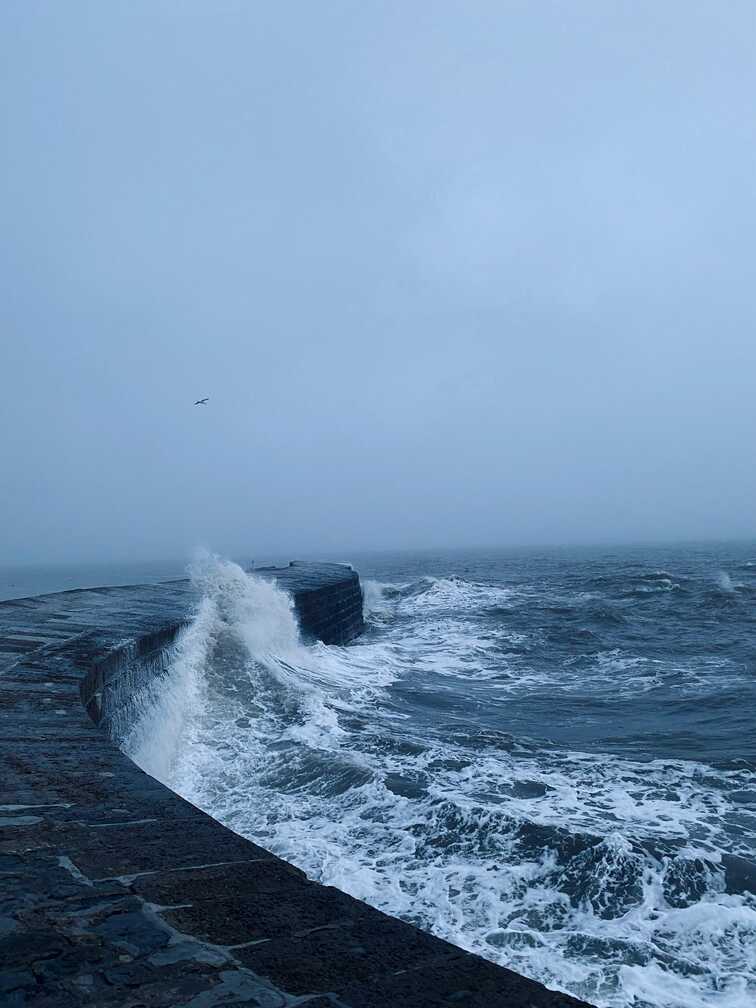
Lyme Regis curls itself around a small bay, houses tumbling down towards the waterfront in a jumble of roofs and chimneys. You wander the seafront and the Cobb appears almost casually, that famous stone breakwater reaching out into the sea, waves often slapping at its flanks while people walk its spine with varying degrees of bravery. Boats bob behind it, sheltered in the harbour, while the beach stretches away in a strip of shingle and sand.
This is fossil country, and you feel it as soon as you look east to the cliffs. Hammer taps and excited shouts drift along the shore as people pick through fallen rocks, hoping to find their own ammonite spirals. Mary Anning once walked these same beaches with a basket on her arm, quietly changing science with the creatures she discovered. You may settle for a slower reward: a hot drink, a stroll out on the Cobb, and the sense of standing in a town where deep time, storms and holidaymakers all meet in one tight little bay.
Driving onto Portland feels almost like leaving the mainland again. The causeway carries you across Chesil Beach, shingle rising in a long, improbable bank on one side and the Fleet lagoon glinting on the other, until the land suddenly lifts into a limestone island that has supplied building stone to half of Britain’s great cities. Quarries, old and new, scar the slopes, while the coast falls away in sheer faces of pale rock.
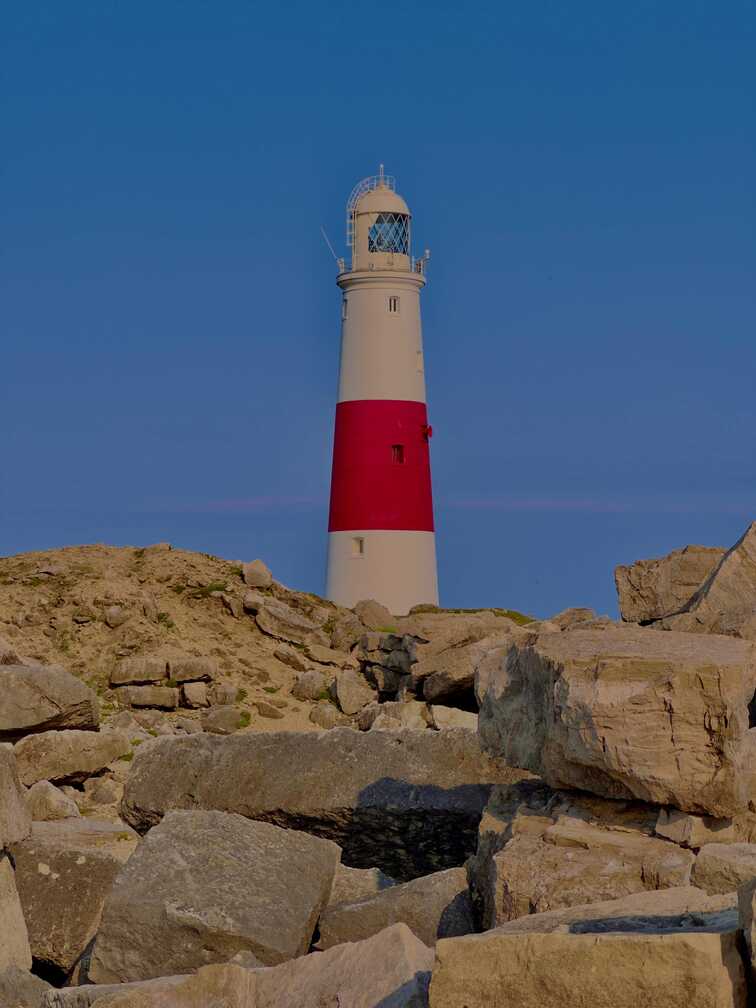
At the southern tip, the lighthouse at Portland Bill stands solid against whatever the sea throws at it, warning ships off the notorious Race where tides and currents snarl together. You can stand on the rocks and feel spray in the air while watching waves fold and crash in complicated patterns around offshore ledges. Inland, prisons, forts and the old harbour tell stories of defence and industry. It is a stark, fascinating stop, where geology, weather and human grit are all written plainly on the landscape.
Maiden Castle rises from the fields in a series of green waves, earth ramparts curling and folding around a hilltop that has watched human activity for thousands of years. You park at the edge and walk up through the grass, following paths that twist between massive banks and ditches. Even before you know the dates, you feel the scale in your legs and lungs as you climb.
At the top, the views roll out over patchwork farmland and towards Dorchester, but it is the shapes under your feet that hold your attention. This was once one of the largest Iron Age hillforts in Europe, alive with roundhouses, livestock and smoke. Later the Romans arrived and built their own town nearby instead. Now it is all skylarks, sheep and wind, the occasional dog walker tracing the lines of old defences. Standing on the inner rampart, you get a rare sense of how thickly layered the quiet English countryside really is.
Dorchester feels like a town with its roots sunk deep but its day to day firmly ticking along. You drive in past tidy houses and small roundabouts and then realise that under the modern layout lies Roman Durnovaria, with traces of walls, an amphitheatre and old street lines still influencing how the place works. The county museum and quiet back streets hint at Thomas Hardy, who used Dorchester as the model for Casterbridge in his novels.
The town centre has that classic market town mix of churches, shops and modest civic buildings, all on a human scale. You might wander along the tree lined walks near the old earthworks, or sit outside a café and watch local life unfold, students, office workers, retired couples all sharing the pavements. It is not a flashy stop, but it anchors this route on the map, connecting the prehistoric sites and coastline around it to a place where people have been trading, arguing and storytelling for a very long time.
Cerne Abbas lies folded into a green valley, the village itself all stone cottages, rushing stream and an almost theatrical sense of neatness. As you roll in, the church tower rises above roofs, and the remains of an old abbey peek through gardens and walls. It all feels gentle until you look up at the hillside and catch sight of the Cerne Abbas Giant, cut into the chalk in bold, unapologetic lines.
Nobody quite agrees how old he is or exactly why he was carved, though fertility folklore clings to him like mist. You can walk up to a vantage point and see the figure more clearly, white chalk scoring the hillside, or simply let glimpses of him appear between trees and hedges as you move around the village. Down below, inns and tea rooms sit beside clear running water, and the pace is slow. Cerne Abbas manages to be both tranquil and faintly mischievous, a small reminder that the English countryside has always had its wilder streaks.
Blandford Forum announces itself with broad streets and an unexpected sense of order. Much of the town was rebuilt in the eighteenth century after a devastating fire, and you can see that careful planning in the sweep of Georgian facades, neat squares and the church standing confidently at the centre. Pale brick and stone catch the light, giving the whole place an open, airy feel.
You wander High Street and Market Place and there is a calm regular beat to it, from traditional butchers and bakeries to small independent shops. The River Stour curves quietly nearby, its banks fringed with trees and meadows, giving you an easy loop to stretch your legs. Blandford is a reminder that disasters have reshaped English towns as surely as geology has shaped the coast, and that out of fire and rubble came streets that are now simply part of someone’s ordinary Thursday. For you, it offers a measured pause between older, more jagged stories.
Salisbury gathers itself around its cathedral like a city built from the inside out. You approach along roads that weave between housing estates and suburbs, then suddenly the spire appears, impossibly tall and elegant, lifting from a flat sweep of close that feels more like a park than a churchyard. The stone is pale and intricate, detailed with centuries of careful carving.
Walk the cathedral close and everything slows. Lawns spread out under trees, old school buildings and houses line the edges, and the River Avon quietly threads by. Inside, the nave soars upward, light dropping in through high windows, the polished stone floor reflecting arches like water. Outside the close, the town itself is a web of streets and markets, pubs and shops, with clear chalk streams slipping between buildings. On this route, Salisbury is where ancient worship, medieval trade and modern life all stand comfortably together.
Winchester feels like a place that has worn many important roles and kept something from each of them. You drive in through leafy outskirts and soon find yourself on streets where the cathedral tower sits low but broad on the skyline, and the River Itchen slips under bridges so clear you can see every stone on the bed. This was once the capital of Wessex, and echoes of that history still hang around the Great Hall and the quiet corners of the old city walls.
You can walk from the cathedral, with its long, low nave and centuries of kings and writers buried under your feet, straight down to the water meadows, where paths follow the Itchen past willows and old mills. The high street is lively with students, commuters and visitors, but it rarely feels overwhelming. Winchester makes a fitting final stop: venerable but very much alive, a place where the story of southern England feels distilled into one compact, walkable city.
This run is basically a greatest-hits reel of the western Jurassic Coast, starting around Sidmouth and Lyme Regis then moving through the Bridport coastline, Portland, Dorchester, Cerne Abbas, Blandford, Salisbury and Winchester. It balances fossil beaches and big coastal cliffs with inland chalk downs, hillforts and cathedral cities, and it’s short enough that you can actually stop and do things rather than just driving.
Around Sidmouth and Lyme Regis the South West Coast Path is the main event – red cliffs near Sidmouth, fossil beaches and the Cobb at Lyme. The Bridport area gives you Eype, West Bay and the clifftops around Golden Cap. Portland adds the Chesil Beach spine, Portland Bill lighthouse and a more industrial, exposed feeling. Inland, Maiden Castle is an impressive Iron Age hillfort just outside Dorchester; Cerne Abbas Giant is a quick uphill leg-stretcher with an unmissable chalk figure. Salisbury and Winchester at the end give you cathedral, close and river-meadow walking to wind things down.
The smaller coastal towns punch above their weight. The Pea Green Boat on Sidmouth seafront and Town Mill Bakery in Lyme Regis both cover early-route coffee and food. Around Lyme and West Bay you’ve got pubs like the Ship Inn for post-hike meals. The Cove House Inn on Portland is the classic “watch the sea batter Chesil” pub, and inland the Salisbury Cathedral Refectory plus Winchester’s pubs and restaurants plug the gaps so you’re never far from a decent plate.
Camping and park-ups are almost continuous: sites near Sidmouth, Hook Farm at Lyme, Highlands End near Bridport and East Fleet Farm for the Portland/Weymouth stretch. Inland, Sandyholme or similar sits between Dorchester and the coast, with sites near Cerne Abbas, then South Lytchett, Stonehenge Campsite and Morn Hill CAMC near Winchester for the final leg. For hotels, you’ve got seafront options in Sidmouth and Lyme, a classic coaching inn like the Kings Arms in Dorchester, and Winchester Royal Hotel if you want to end in a walkable, train-linked city.
TopStops is built to be used like a shared guidebook, not a strict itinerary.
Browse the routes to see how others have travelled an area, check the map for regularly recommended stops, and get a feel for the journey with photos, highlights, and quick info on each place. When you’re ready, follow the route yourself or adapt it to your own trip.
If you discover a spot we’ve missed, submit it. The best community suggestions get added to the map, so every route slowly improves with real travellers’ input.
Do you know somewhere we should feature in our route? Message us and we’ll get it added.