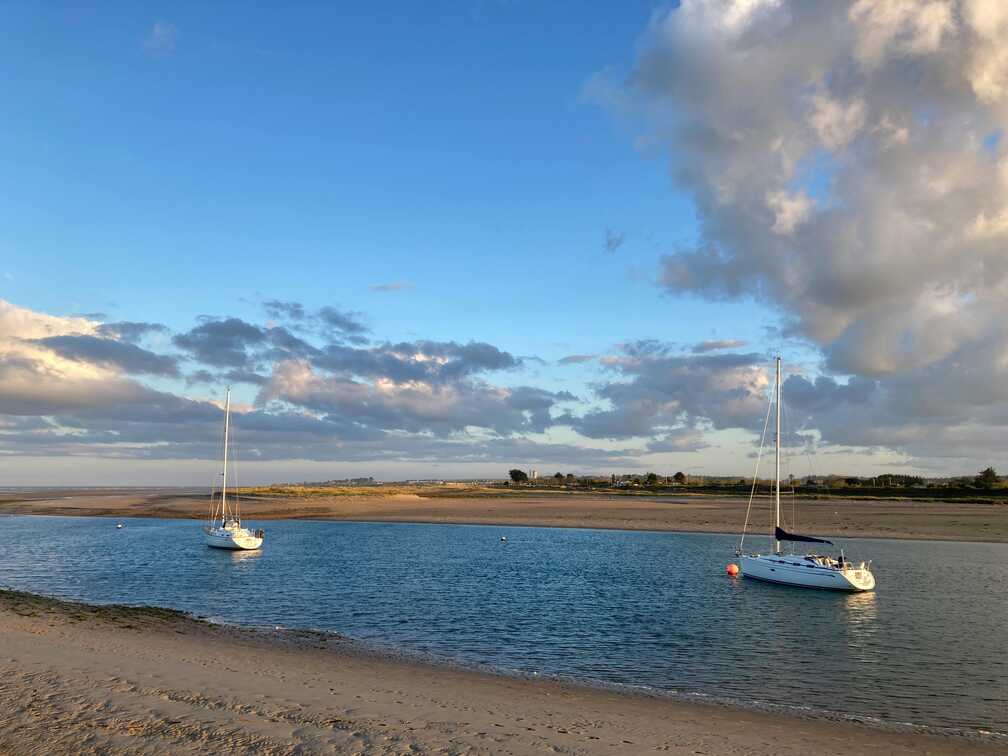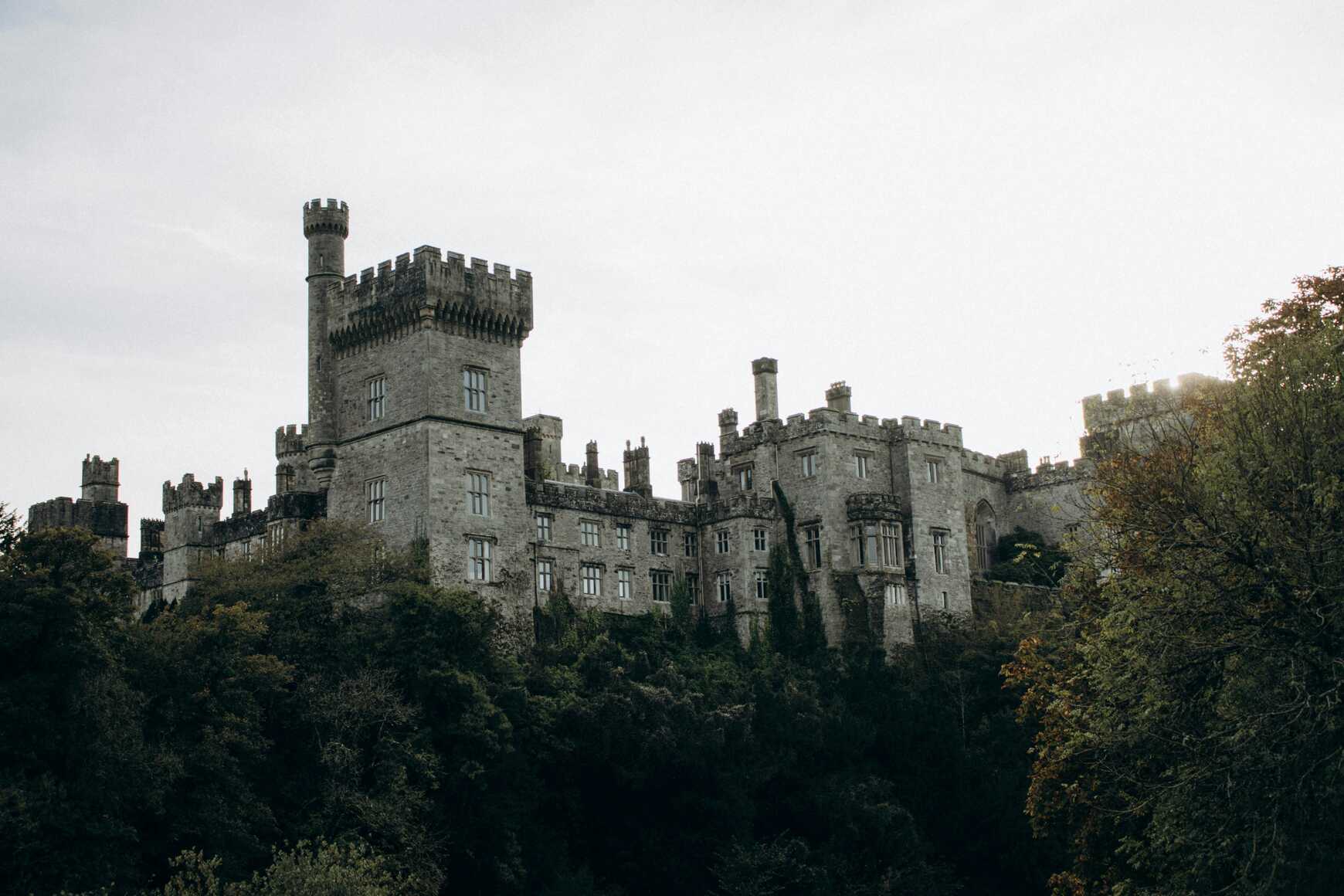










This route feels like a slow sweep along the south coast before it quietly folds inland into river valleys, forests and mountain shoulders. You begin in Cobh, watching ferries and liners move through one of the world’s great natural harbours while painted terraces and the cathedral climb the hillside behind you. Midleton adds market town rhythm and distillery warmth, then the world narrows to smaller harbours and headlands. Ballycotton, Knockadoon and Youghal give you cliff walks, quiet piers and long strips of sand where the Atlantic arrives in a softer, more everyday mood.
Crossing into Waterford, the coastline starts to fray into coves, headlands and a broad sheltered bay. Helvick Head and Dungarvan sit at that meeting point of sea and low hills, good for fresh air and unhurried evenings by the water. Then you turn inland along the Blackwater and its side valleys. Lismore, with its castle and steep streets, feels wrapped in trees and history. Clogheen nudges you towards the Vee Gap and big views over patchwork fields. Ballymacarbry brings you to the mouth of the Nire Valley where tracks climb into the Comeraghs and small roads disappear into deep green. By the end you have traded ships and lighthouses for lakes, passes and quiet, empty hills.
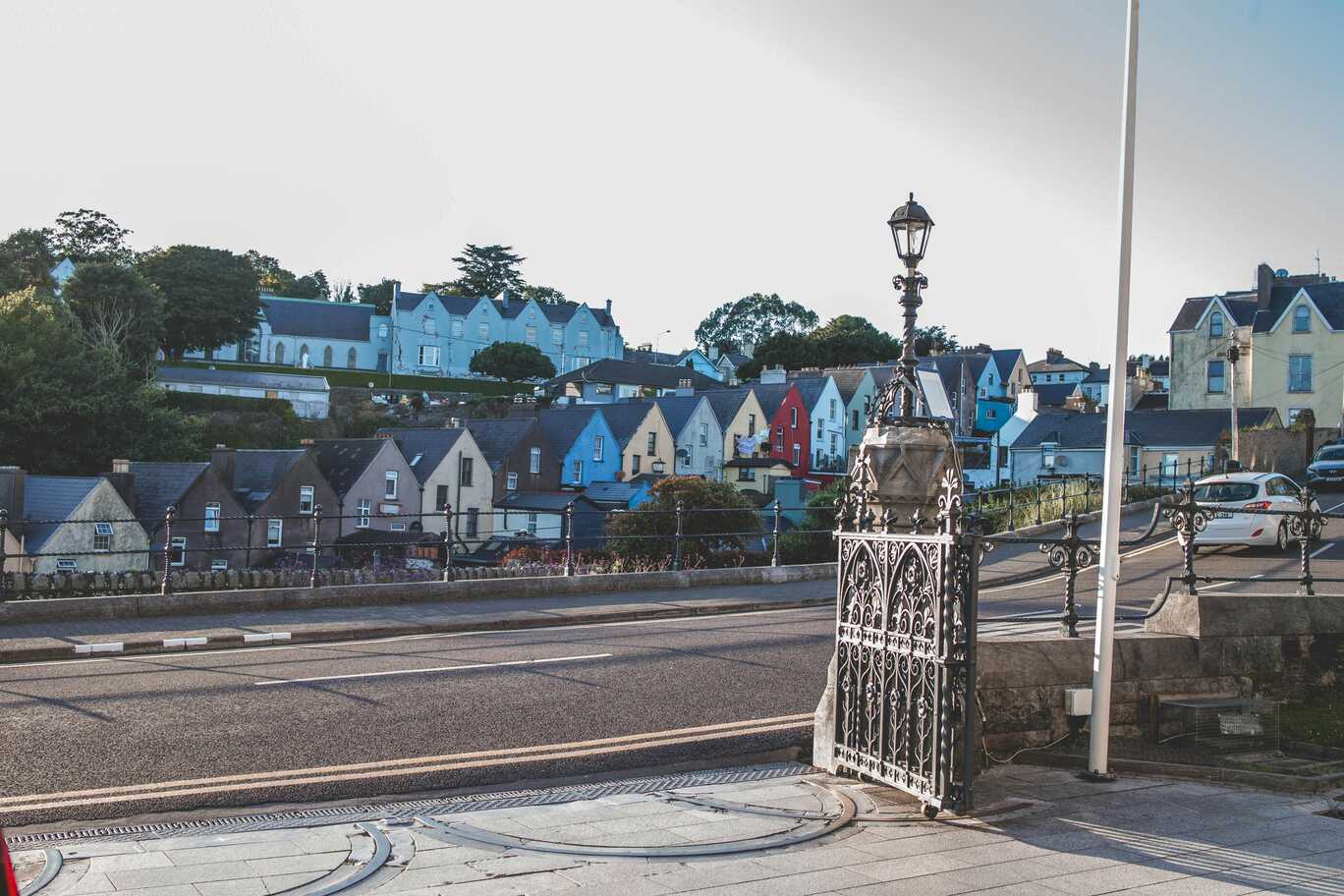
Cobh feels like a town laid out to watch the water. You drive in along the harbour and the streets start to climb steeply, colourful houses stepping up towards St Colman’s Cathedral, which seems almost too large for its perch above the lough. Down on the promenade, benches and railings face the shipping lane where ferries, fishing boats and the occasional huge cruise liner glide past, close enough to feel a little unreal. The air smells of salt, diesel and coffee from the waterfront cafés.
Walk the tight back streets and you catch sudden framed views of the harbour at the end of steep lanes. History sits close to the surface here. You can follow the story of emigration and the Titanic’s last port of call if you want it, or simply lean on a wall and watch the changing light on the water. Cobh is a bright, layered place to start this route. There is always something moving on the harbour and it sets the tone nicely for a journey that will keep returning to the sea.
Midleton sits a little back from the coast and feels very much like a town that looks after its hinterland. You roll in along broad streets lined with solid shopfronts, pubs and cafés. The pace is slower here than in Cork city. Market days still matter and the voices you hear on the pavements are often local. It is the kind of place where you can park easily, get everything you need and not feel rushed.
The Jameson distillery is the obvious draw. Old brickwork, copper stills and cool, shadowed warehouses give you that rich, malty smell as soon as you step inside the yard. Even if you are not doing a full tour, it adds a sense of industry and craft to the town. Away from the distillery, small parks, side streets and the nearby countryside soften everything. Midleton is a grounded pause between big harbour views and smaller coastal villages. It gives you a sense of everyday east Cork before you angle back towards the sea.
Ballycotton is one of those fishing villages that seems to grow directly out of its harbour wall. You follow twisting roads and hedgerows and then suddenly the land falls away. The village tumbles down to a snug little harbour, boats packed in tightly, ropes and nets piled in corners, the lighthouse looking back at you from its own island just offshore. On a clear day, the horizon feels wide and clean.
The cliff walk is the real hook here. It runs above the sea for miles, a ribbon of path that gives you constant views of waves working at the rocks below and the lighthouse blinking steadily out to sea. The wind can be sharp even on warm days and the sound of the water never quite goes away. Back in the village, pubs and cafés offer shelter, hot food and that damp-coat, warm-room contrast that always feels right by the Atlantic. Ballycotton is small, but if you let it, it can hold a whole afternoon without you noticing.
Knockadoon feels like the end of a line in the best way. You creep along a narrow peninsula road that seems almost too small for two cars to pass and then find yourself at a cluster of houses, a small pier and a choice of paths that lead out onto the headland. The sense of land surrounded by water is strong here. You can hear waves on both sides if the wind is right.
From the pier, you look back towards Ballycotton Island one way and along the ragged outline of the coast the other. Out on the headland the grass is often short and wind brushed, with old lookout points and fortifications tucked into the contours. On some days the sea is flat and glassy, streaked with light. On others it throws white water at the rocks below and the whole place feels raw. Knockadoon is not a big stop. It is a simple one. A pier, a walk, a sky that seems larger than you expected and the feeling of being properly out on the edge.
Youghal Beach gives you space. You arrive to a long, curving strip of sand that seems to run on and on, backed by dunes and quiet roads rather than dense development. Park up and wander down and you will feel that particular give of firm wet sand under your boots, the tide leaving shining mirrors behind it as it retreats. The Atlantic rolls in gentle sets here more often than not. It feels open rather than aggressive.
Turn one way and you get town views, with Youghal’s old walls and church towers sitting just behind the beachfront. Turn the other and it is all low cliffs, dunes and open coast. The soundtrack is simple. Waves, wind, gulls, the occasional dog barking as it tears after a ball. It is the kind of place that looks unassuming on a map but does something subtle to your head when you walk it. You can breathe here, let your thoughts stretch out with the tide lines, then head back into town for something hot and a slower look at the streets behind the promenade.
Helvick Head is sharp and compact. The road narrows and twists, then drops you at a small harbour tucked into the side of a steep headland. Fishing boats sit quietly in the water. Lobster pots and buoys lean against walls. The air smells strongly of salt and seaweed. Above it all, paths lift you quickly out onto open ground where the sea spreads out in a wide arc.
From the top of the headland you get big views back towards Dungarvan Bay and along the Waterford coast. On a good day the colours are strong. Blue water, green fields, the darker wedge of hills inland. On a grey one, everything flattens into atmosphere and the headland feels wilder and more solitary. The walk is not long, but the sense of height and exposure is real. Helvick Head gives you that quick hit of Atlantic drama before you settle into the softer shelter of Dungarvan just around the bay.
Dungarvan sits comfortably at the back of a wide, tidal bay. You roll in over the bridge or round the quays and immediately see boats resting in the harbour and mudflats stretching away at low tide, silvered under the sky. The town itself fans out from the square and waterfront. Pubs, restaurants and cafés cluster near the water, with narrow back streets and newer developments filling in behind. It feels lively without being hurried.
Walk the harbour loop and you are constantly shifting between views of town, bay and mountains beyond. The Comeraghs and Knockmealdowns sit on the horizon as blue humps on clear days. The Waterford Greenway begins and ends here, turning old railway lines into long, easy trails if you want a break from driving. In the evening, lights from the quays and waterfront bars reflect in the still water when the tide is in. Dungarvan is a natural overnight if you want one. It has enough going on to keep you busy, but a calmness that fits the route.
Lismore feels like it has been arranged around its castle and river with care. You cross the Blackwater and the castle appears through the trees, high walls and turrets rising above thick woodland, part fairy tale and part serious stronghold. The town climbs up from the river in steep streets of stone houses, pubs and small shops, with the cathedral and old college buildings adding to the sense of age.
Walk the riverside paths and you can hear the water moving steadily under the bridge, see the castle through gaps in the trees and feel how the town sits snugly between slopes and riverbank. The hills around are full of forest tracks and viewpoints. It is easy to spend a slow half day here, splitting your time between gardens, river walks and a drink in a bar that feels like it has been serving the same conversations for decades. Lismore marks the point where this route truly turns inland and begins to follow the pull of the valleys rather than the tide.
Clogheen is small and unpretentious, but its position matters. It sits at the foot of the Vee, the pass that lifts you between the Knockmealdowns and opens some of the best views in this part of Ireland. In town, life runs along one main street, with houses, pubs and shops pressed close together. It feels like a place that serves its farming countryside first and visitors second. That is part of its charm.
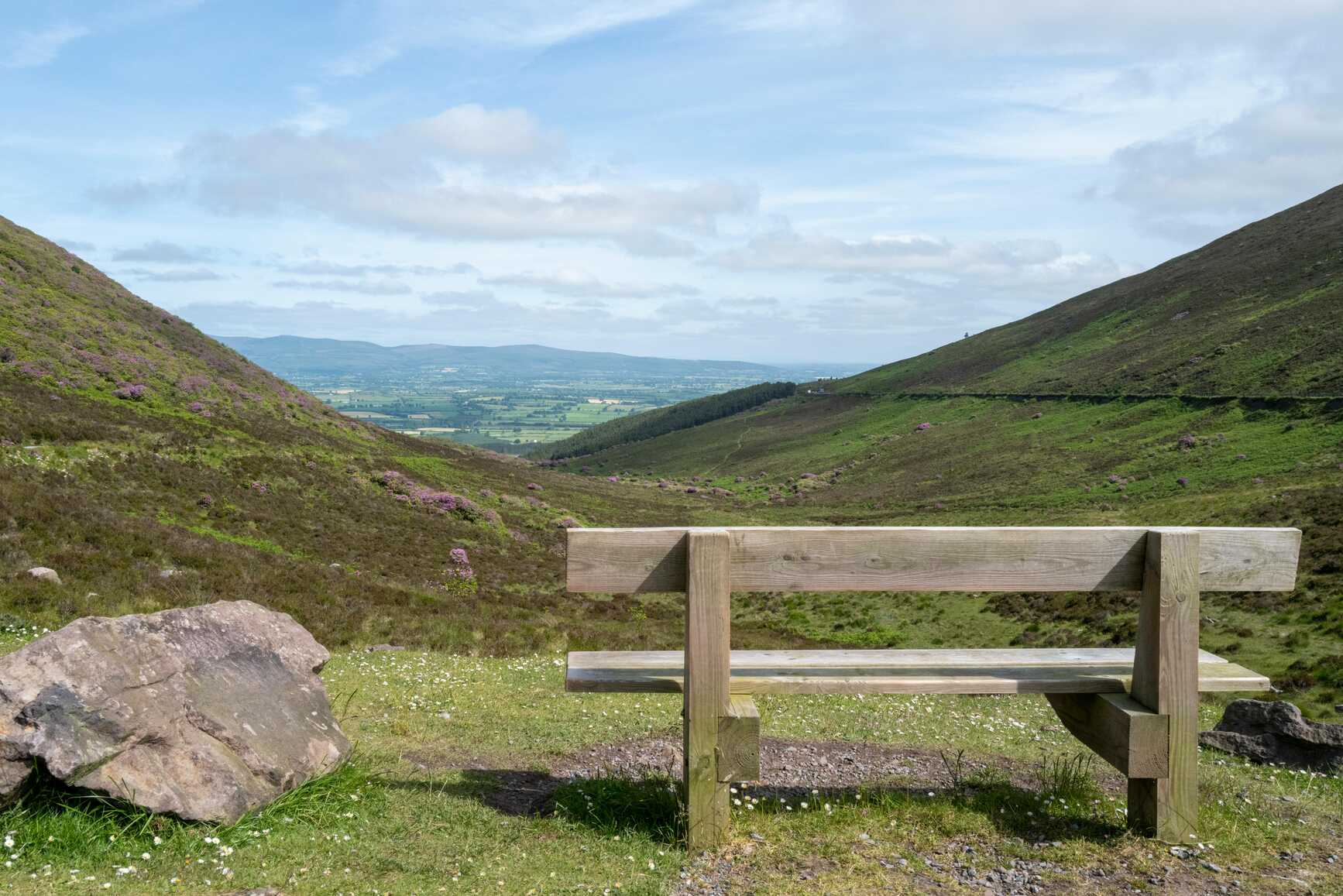
Head out of Clogheen towards the Vee and the road begins to wind and climb, hedgerows giving way to ever wider views. From the lay-bys and car parks near the top you can look back over a patchwork of fields, woods and villages that spreads out across the plain. Return in the evening and Clogheen feels like a snug base again. Lights in upstairs windows, the sound of a match on a pub television filtering through a door. It is not a showpiece stop, but it is a very good place to pivot from coastal moods to mountain passes.
Ballymacarbry sits at the mouth of the Nire Valley where roads, rivers and forest tracks all seem to gather themselves before heading into the Comeragh Mountains. You arrive to a compact village of houses, a pub or two and the quiet flow of the Nire River slipping under the bridge. Beyond that, the scenery thickens quickly into trees, steep slopes and the dark outlines of higher ground.
From here, walking routes launch deep into the hills towards the Nire lakes and open ridges. Forest roads and trails let you choose how hard you want to work. Even a short wander upriver gives you a sense of the valley tightening and the noise of the wider world dropping away. On misty days the tops disappear and the valley feels secretive. In clear weather you get strong, clean lines of rock and grass. Ballymacarbry is a gentle full stop for this route. It leaves you with mountain air in your lungs and the sense that most of what lies ahead is on foot rather than behind the wheel.
This route feels like a lazy curve along the south coast before it quietly turns inland towards hills, forests and river valleys. You start in Cobh, watching huge ships slide past painted houses and a cathedral that seems almost too big for its hillside, then roll east to Midleton with its distillery and solid market-town feel. From there the coast gets softer and smaller scale Ballycotton, Knockadoon and Youghal giving you a rhythm of fishing harbours, piers and long, tide-marked sand where the sea is always somewhere in sight.
Cross into Waterford and the mood shifts again. Helvick Head and Dungarvan sit where the coastline frays into headlands, coves and a wide, sheltered bay, all backed by low hills. Then you turn your back on the sea and follow the River Blackwater and its tributaries inland: Lismore with its castle and wooded banks, Clogheen tucked under the Vee Gap, Ballymacarbry guarding the entrance to the Nire Valley. By the time you reach that last stop you’ve traded cruise liners and lighthouses for mountain shoulders, forests and lonely roads where the next bend always seems to promise another view.
In Cobh, start simple: walk the waterfront, climb up to St Colman’s Cathedral for the harbour view, and follow the Titanic or emigration trails if you want the full “last port of call” story. A short hop up the road, Midleton gives you the chance to tour the Jameson Distillery, all copper stills, warm brickwork and tasting rooms, before you roll back out towards the sea. In Ballycotton you can stretch your legs properly – the cliff walk runs above jagged rock and restless water, with the lighthouse and fishing harbour always somewhere in the frame. Knockadoon is your quieter version of the same idea, a pier, headland path and the feeling of being right on the edge of things.
Youghal Beach offers miles of sand and an easy, meditative walk, with the old town and its walls just behind if you fancy a bit of history with your sea air. Once you cross into Waterford, head out along Helvick Head for a short but punchy loop with big Atlantic views, then give yourself time in Dungarvan – harbour strolls, maybe a stretch of the Waterford Greenway if you’ve brought bikes, and, if your timing is right, the town’s food festival buzz. Lismore is for castle gardens, Blackwater river views and a slow wander around its steep streets, while Clogheen makes the ideal launch point for driving or walking up through the Vee Gap, looking out over the patchwork below. You finish in Ballymacarbry, where trails push deep into the Comeraghs and the Nire Valley lakes if you want a proper half or full day on foot before the route ends.
Food tracks this route pretty neatly if you let it. In Cobh, you can work your way along the waterfront, from casual cafés like Seasalt to harbourside spots and more polished dining with harbour views at places like Jacob’s Ladder in the WatersEdge Hotel. Midleton has quietly become a bit of a food town: alongside pub grub and daytime cafés, you’ve now got Cush on the main street doing modern Irish bistro cooking with a Michelin-noticed confidence if you want a “treat” night without leaving the route.
Further along the coast, Ballycotton punches above its weight, you’ve got everything from the Salty Dog’s fresh-off-the-boat seafood to pizza trucks like Big Blue and easy pub food in places like The Schooner or The Blackbird. Dungarvan is your most obvious food hub on this line: cafés such as The Blue Door or Jitterbeans cover daytime coffee, cakes and light lunches, and the town’s wider restaurant scene leans hard into local produce from sea and land, especially when the Waterford Festival of Food is in full swing. Inland, you’re more in pub and hotel-restaurant territory. Lismore’s inns and hotel dining rooms are good bets for solid, seasonal meals, while small villages like Clogheen and Ballymacarbry are where you aim for classic Irish bar food after a day in the hills rather than something fussy.
Overnights divide neatly between harbour towns and inland hideaways. At the coastal end, Cobh gives you waterfront hotels and B&Bs that look straight across the rail lines to the ships in the harbour, while Midleton has the Talbot Hotel and a scatter of guesthouses within easy reach of both the distillery and the N25. Around Ballycotton, you’ll find a mix of small hotels, rooms over pubs and self-catering places perched above the harbour or tucked along the lanes, ideal if you want to wake up to sea air without crowds.
Once you hit Waterford, Dungarvan is the most practical base if you’re in a car or van: harbourside hotels, town-centre guesthouses and nearby campsites give you options whether you’re on wheels or looking for a proper bed. Lismore sits nicely as a quieter alternative, with country house B&Bs and small hotels within walking distance of the castle and river. For a more tucked-away feel, look at farm stays, village B&Bs or simple inns around Clogheen and Ballymacarbry – places where you can park up, walk straight into the hills or forests from your door, and end the day with a shower, a pub downstairs or down the lane, and a dark sky full of stars instead of sodium lights.
TopStops is built to be used like a shared guidebook, not a strict itinerary.
Browse the routes to see how others have travelled an area, check the map for regularly recommended stops, and get a feel for the journey with photos, highlights, and quick info on each place. When you’re ready, follow the route yourself or adapt it to your own trip.
If you discover a spot we’ve missed, submit it. The best community suggestions get added to the map, so every route slowly improves with real travellers’ input.
Do you know somewhere we should feature in our route? Message us and we’ll get it added.