









This route feels like a gentle descent from the bright edges of the North Wales coast into the softer folds of border country. You start in Llandudno with its long curve of promenade and twin headlands, then slip inland through Bodelwyddan, St Asaph and Denbigh, where churches, castles and small streets sit above the Vale of Clwyd in a landscape of hedges, farms and long views. Ruthin adds more colour and timbered fronts, a tight old centre that feels as if it was made for wandering on foot.
From there the hills close in around Llangollen and Chirk, where river, canal, railway and fortress all jostle for space in the Dee valley. You cross into mid Wales at Welshpool and Montgomery, exchanging stone strongholds for quieter market town rhythms and a hilltop ruin looking out over the border. Finally, Ludlow gathers the threads together with castle walls, church tower and one of the loveliest old town centres on either side of the line. It is a route that trades sea breeze for valley air, and ends with a town that feels like a reward for taking the slower inland line.
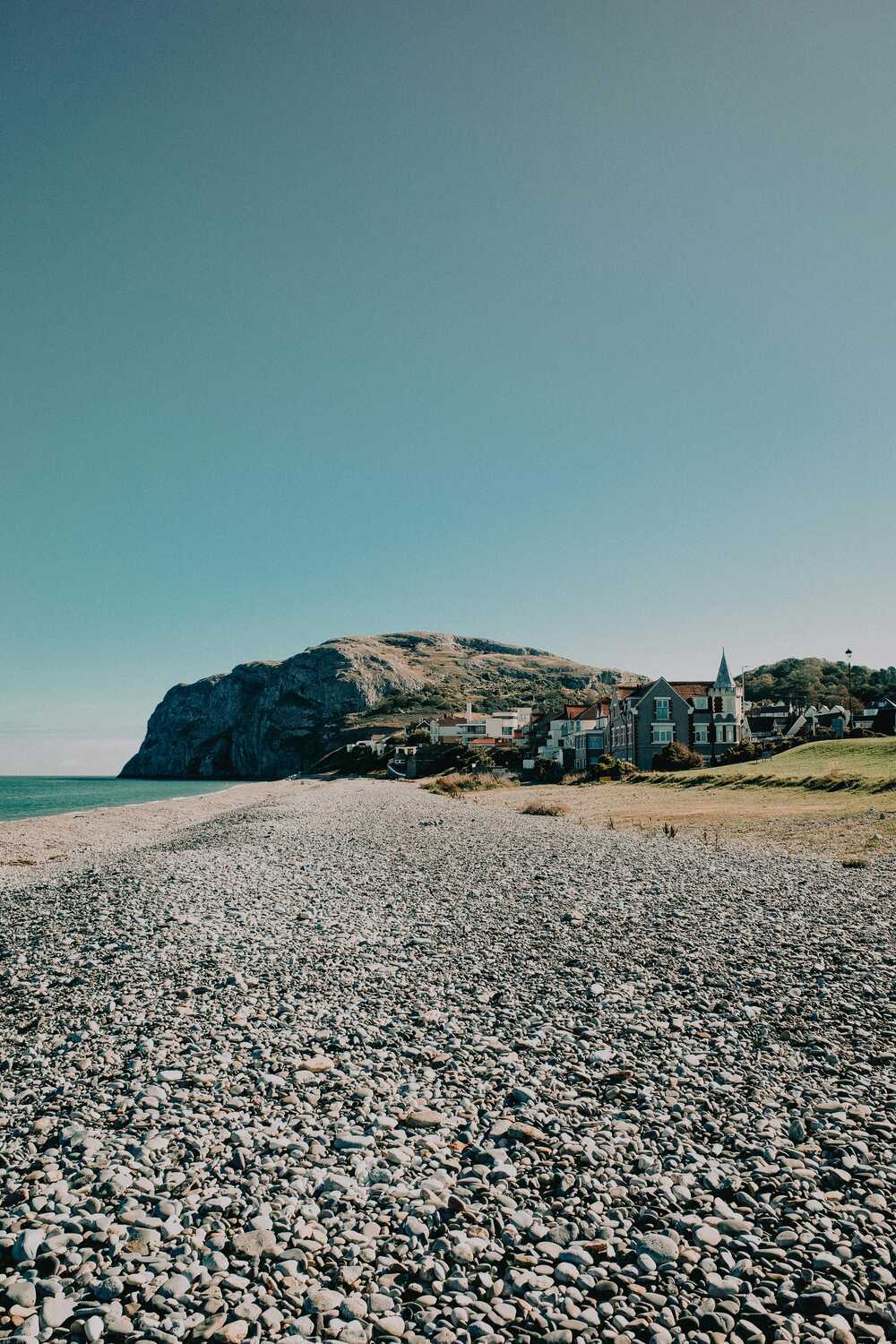
Llandudno greets you with a wide sweep of bay framed neatly by two headlands, the Great Orme on one side and the Little Orme on the other. The promenade curves between them in a long, confident line, backed by terraces of pale fronted hotels that glow softly when the light is right. Walk it and you feel the rhythm of a traditional seaside town that has carried on doing what it does well for more than a century. The pier reaches out into the water, a fine place to stand with salt on your lips and watch the town from a little distance.
Behind the front, streets climb slowly towards the flanks of the Great Orme. Tram tracks, cable cars, parks and shaded avenues make it easy to shift between sea level and higher viewpoints. You can wander past shop windows, then in minutes be watching kittiwakes wheel below the cliffs. Llandudno feels like a spacious beginning for this route, a clear line between the open sea you are leaving and the inland hills you are about to follow.
Bodelwyddan sits just inland from the coast, a knot of village and parkland that feels quietly set apart from the busier strips of Rhyl. As you approach, the bright spire of the Marble Church catches your eye first, white stone and fine detail standing crisp against the surrounding fields. It has a delicacy that invites a closer look, and the churchyard holds its own quiet stories if you wander through.
Beyond, the landscape is all gentle rises and long hedgerows, with hints of bigger estates tucked behind lines of trees. You feel the coast in the air, but you do not see it. Instead you get a sense of space and distance, the hills of Denbighshire rising further inland and the flat land towards the sea stretching away behind you. Bodelwyddan works as a soft first step away from the prom lights, a place where stone, grass and sky take over from neon and amusement arcades.
St Asaph is often called a city, but in size it feels more like a village wrapped around a cathedral. The church itself stands slightly above the surrounding streets, solid and calm, with its tower and roofline just high enough to give the place a clear focal point. When you walk up to it you pass neat houses, low walls and trees that make the whole approach feel intimate rather than grand.
The River Elwy slips through the valley below, crossing points drawing you naturally onto paths that trace its bends. From certain angles you see cathedral, river and the folds of the surrounding hills all together, and it becomes clear how long people have been drawn to this spot. St Asaph has a gentle pace. It is a good place for a short walk, a look round the cathedral and perhaps a slow coffee, giving you time to adjust from coast road to the quieter lanes of the Vale of Clwyd.
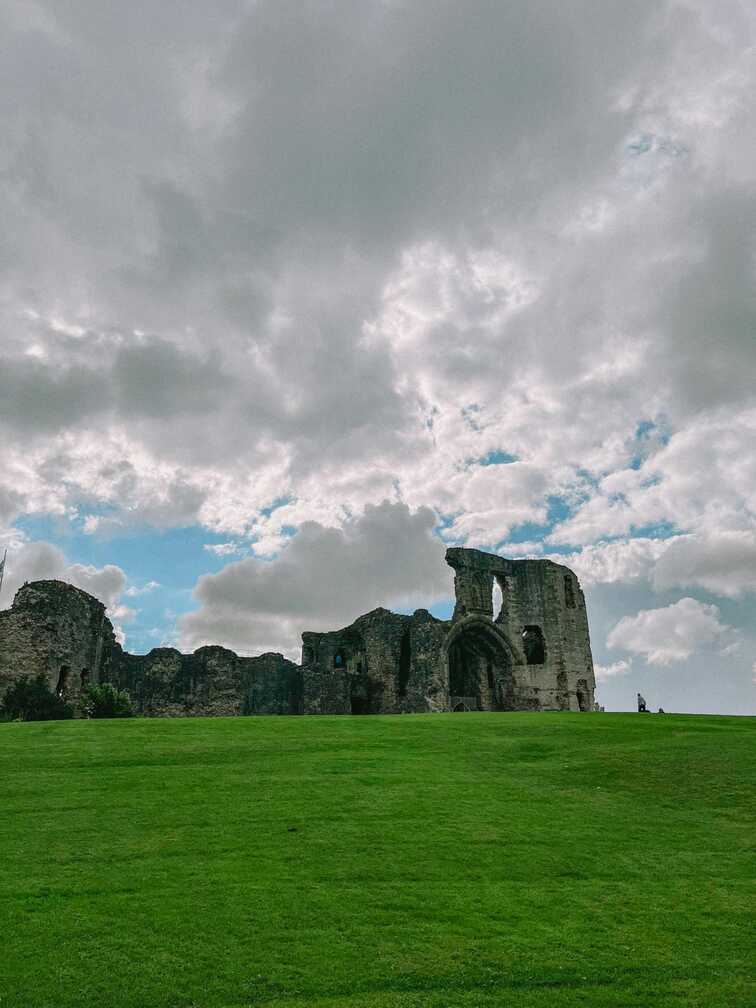
Denbigh climbs a hillside in a series of streets and walls, watched over by the broken outline of its castle. You drive in on lower roads, then wind upwards until the views begin to open. Old town walls, gateways and fragments of fortification cut across modern life in an easy way, stone arches framing shopfronts and houses that have slipped comfortably into the gaps over time.
Up by the castle, the town falls away on one side and the countryside stretches out on the other. Green fields, wooded patches and the far shapes of hills all lie under a wide sky. Inside the ruin you can wander through towers and courtyards that are open to the air, tracing lines of stone that once felt unassailable. Down in the town, streets twist and fold, revealing tucked away squares and rows of coloured fronts. Denbigh feels like a place with layers, a good stop if you enjoy letting your feet follow whatever catches your eye next.
Ruthin wraps itself around a hilltop in a tight, characterful knot. The main square is ringed by buildings that look as if they were designed to be drawn, all timber framing, jettied upper floors and warm stone. From there, narrow streets drift outwards, up and down slopes that give you little changes of viewpoint with almost every turn. It is very easy to walk slowly here, simply because there is so much to look at in the fabric of the place.
The castle sits just beyond, partly hidden behind gardens and walls, while the Clwyd valley opens out below the town in a pleasing pattern of fields and hedges. On quiet days you hear footsteps, distant conversation and the occasional car. On busier days there is a lively market town hum, but the scale never feels overwhelming. Ruthin has a strong sense of itself. It offers history and texture in a way that fits this route very well, bridging the castle towns of the Vale and the deeper river valleys ahead.
Llangollen sits where mountains tighten around the River Dee, a town built close to churning water and steep green sides. You come in across bridges and past the line of the canal, with its still surface running above the valley like a second, quieter river. The main street carries a steady flow of walkers, day trippers and people just going about their business, all funnelled between shopfronts that lean comfortably towards the road.
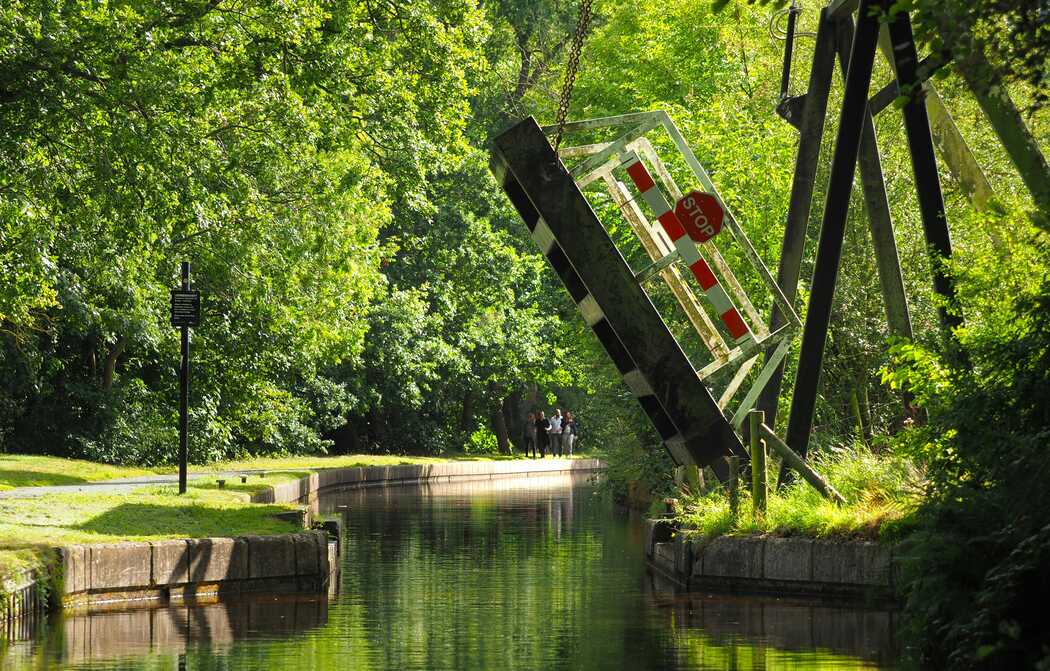
Down by the river the sound rises. Rapids hit rocks, white water folds and re-forms, and the air is cool and spray-scented. Steam trains stand ready at the station, their carriages pointing down the valley, while the towpath of the Llangollen canal lets you wander in the opposite direction into wooded stillness. The town feels lively yet contained, a crossroads for outdoor life. It is very easy to arrive for an hour and realize you have stayed all afternoon.
Chirk Castle sits high on its ridge, a compact, muscular presence surrounded by ordered gardens and a sweep of parkland. As you approach up the drive, the walls and round towers slowly assemble themselves into a full fortress, each step forward revealing a little more stone and a little more sky. Once inside the grounds, the mood shifts between formal and wild. Neatly clipped hedges and lawns near the house give way to woods and open fields further out.
From the battlements and terraces you can look out over long slices of border country. The line of Offa’s Dyke runs nearby, and the landscape feels like a blend of both Wales and England, fields and woods flowing across any line on the map. Paths lead away into the parkland where ancient oaks stand in soft grass and sheep graze in the middle distance. Chirk brings a solid, fortified note to the route, a reminder of older tensions in what now feels like a very calm landscape.
Welshpool lies in the Severn valley, a practical, slightly sprawling town shaped by river, road and canal. You approach past fields and hedges, then slip into a grid of streets where shops, pubs and houses sit closely together, their roofs stepping gently with the lie of the land. It feels like a place that still works hard for the surrounding farms, markets and villages.
The Montgomery Canal runs quietly along one edge, its still water and towpath offering a softer counterpart to the busier streets. Boats moor under trees, and the reflections of bridges ripple slowly when ducks or wind disturb the surface. In the distance, the bulk of Powis Castle and its terraced gardens rise above the town, a clear destination if you have time for a detour. Welshpool may not be as showy as some of the earlier stops, but it gives you a real sense of mid Wales life, and it makes a good place to stock up, stroll and reset as you head towards the border.
Montgomery Castle crowns a rocky hill above a small, very handsome town. You leave the main road and climb through narrow streets lined with Georgian fronts and coloured facades, then continue on foot up a short, steep path that suddenly opens onto the ruined walls and a view that feels far larger than you might expect. Stone fragments and grassy banks are all that remain of the fortress, but the outline is still clear against the sky.
From the top you can see for miles across fields, hedgerows and low hills, with the line of the border running quietly through it all. Sheep move slowly below, birds work the thermals above, and the wind is often the loudest sound. Back down in the town, squares and side lanes hold cafés, pubs and simple shops that seem made to serve both locals and people who have walked up to the castle and come back hungry. Montgomery feels peaceful, but the height of the ruin keeps the sense of old watchfulness alive.
Ludlow draws you in with stone walls, a great church tower and streets that feel rich with layers of time. The castle sits on a bluff above the Teme, its curtain walls and keep forming a rough, powerful silhouette against the trees. From its ramparts you can look out over roofs, bridges and the folds of the surrounding countryside, the whole town spread below like a model.
Within the walls and around them, timber framed houses, Georgian fronts and small alleys create a very walkable maze. Markets spill into the main square, food shops and restaurants highlight the area’s reputation for good eating, and there is a sense that both visitors and residents take pride in the place. The river loops below, crossed by old stone bridges and edged with paths where you can step away from the bustle. Ludlow feels like a natural full stop for this route, a town with enough depth to reward a lingering final evening before you decide what comes next.
This route feels like a gentle slide from the bright sweep of the North Wales coast into the softer folds of border country. You begin in Llandudno with its long promenade, twin headlands and old fashioned pier, then turn your back on the sea and slip inland through church towers, castle ruins and market squares. Bodelwyddan, St Asaph, Denbigh and Ruthin sit above the Vale of Clwyd in a landscape of fields, hedgerows and long views, each town or village adding another note of stone, timber and history.
Further along, the hills close in around Llangollen and Chirk. Here the River Dee, canal and railway squeeze through a tighter valley, aqueducts and fortresses sitting side by side with riverside pubs and little shops. Crossing into mid Wales, Welshpool and Montgomery ease the route into broader farmland and slower rhythms, with hilltop ruins watching quietly over the border. Ludlow gathers the whole journey together at the end, its castle, church and streets of old houses creating a town that feels like a reward in itself. It is a line that trades salt air for valley breeze and finishes in a place that invites you to stay put for a while.
At the start, give Llandudno a proper look. Walk the pier and promenade, watch the light change on the bay, then take the tram or drive up the Great Orme for wide views over sea and hills. Inland, Bodelwyddan’s Marble Church and the quiet lanes around it make a gentle first pause, while St Asaph invites you to wander around its small but dignified cathedral and stroll down to the river. Denbigh and Ruthin are both worth exploring on foot, their castles, town walls and old streets offering plenty of corners to discover.
Llangollen is where the landscape tightens and the list of options suddenly lengthens. You can walk the canal towpath, sit by the River Dee, ride a heritage train or climb up to Castell Dinas Brân if your legs are keen. At Chirk Castle, take time to explore both the fortress and the surrounding parkland, then perhaps dip onto the nearby canal for a quieter stretch of walking. Further south, Welshpool works as a hub for a visit to Powis Castle and its terraced gardens, while Montgomery rewards a short, steep walk up to its hilltop ruin for big views over the border. Ludlow at the end gives you castle tours, riverside paths and a town centre made for slow wandering between markets, food shops and timber framed fronts.
Food follows the pattern of the towns. In Llandudno you will find plenty of seaside cafés, fish and chip shops and more polished restaurants along and just behind the promenade, ideal for a first night that feels like a holiday. As you turn inland, places like Denbigh and Ruthin offer cosy pubs and small bistros tucked into narrow streets, where you can sit under beams with a plate of something hearty and a local ale.
Llangollen has a good spread of riverside cafés and tearooms, perfect for lunch between walks or a slice of cake after a ride on the railway. You can eat with the sound of the Dee in your ears and watch kayakers and walkers pass by. Close to Chirk, country inns and village pubs are your best bet, especially in the evening, often with log fires and menus built around simple, local ingredients.
Further along, Welshpool’s main streets give you traditional cafés, bakeries and pub food that suit a mid route stop. Montgomery adds a slightly quieter, more old world feel, with small inns and tearooms that match its Georgian facades. At the end, Ludlow gives you the widest choice. Market stalls, food shops and a cluster of restaurants and old coaching inns have helped build its reputation as a place where eating well is part of the experience.
You can break this route into a handful of bases or hop along almost night by night. Llandudno at the start offers everything from simple guesthouses to grander seafront hotels, all within easy reach of the prom and pier. It is a good place to arrive, park up and shake off the drive with a walk and a night by the sea.
Inland, Ruthin or Llangollen work well as central bases. Ruthin gives you old inns, boutique hotels and B&Bs tucked into historic buildings around the square, while Llangollen offers riverside rooms and hill views, often with easy parking and direct access to canal and river paths. If you prefer quieter nights, countryside guesthouses and farm stays between Llangollen and Welshpool put you closer to green fields and dark skies.
Towards the end, Welshpool and Montgomery give different moods. Welshpool has straightforward town hotels and B&Bs close to shops and the canal, while Montgomery offers smaller, more intimate inns and guesthouses in a very pretty setting. Ludlow is an excellent final base, with a wide range of places to stay inside and just outside the old centre. From timber framed inns to modern apartments, you can pick whatever fits your style, then explore the town on foot without needing the car again until you leave.
TopStops is built to be used like a shared guidebook, not a strict itinerary.
Browse the routes to see how others have travelled an area, check the map for regularly recommended stops, and get a feel for the journey with photos, highlights, and quick info on each place. When you’re ready, follow the route yourself or adapt it to your own trip.
If you discover a spot we’ve missed, submit it. The best community suggestions get added to the map, so every route slowly improves with real travellers’ input.
Do you know somewhere we should feature in our route? Message us and we’ll get it added.